Commercial Dry Ice Blasting in Grand Rapids, Michigan
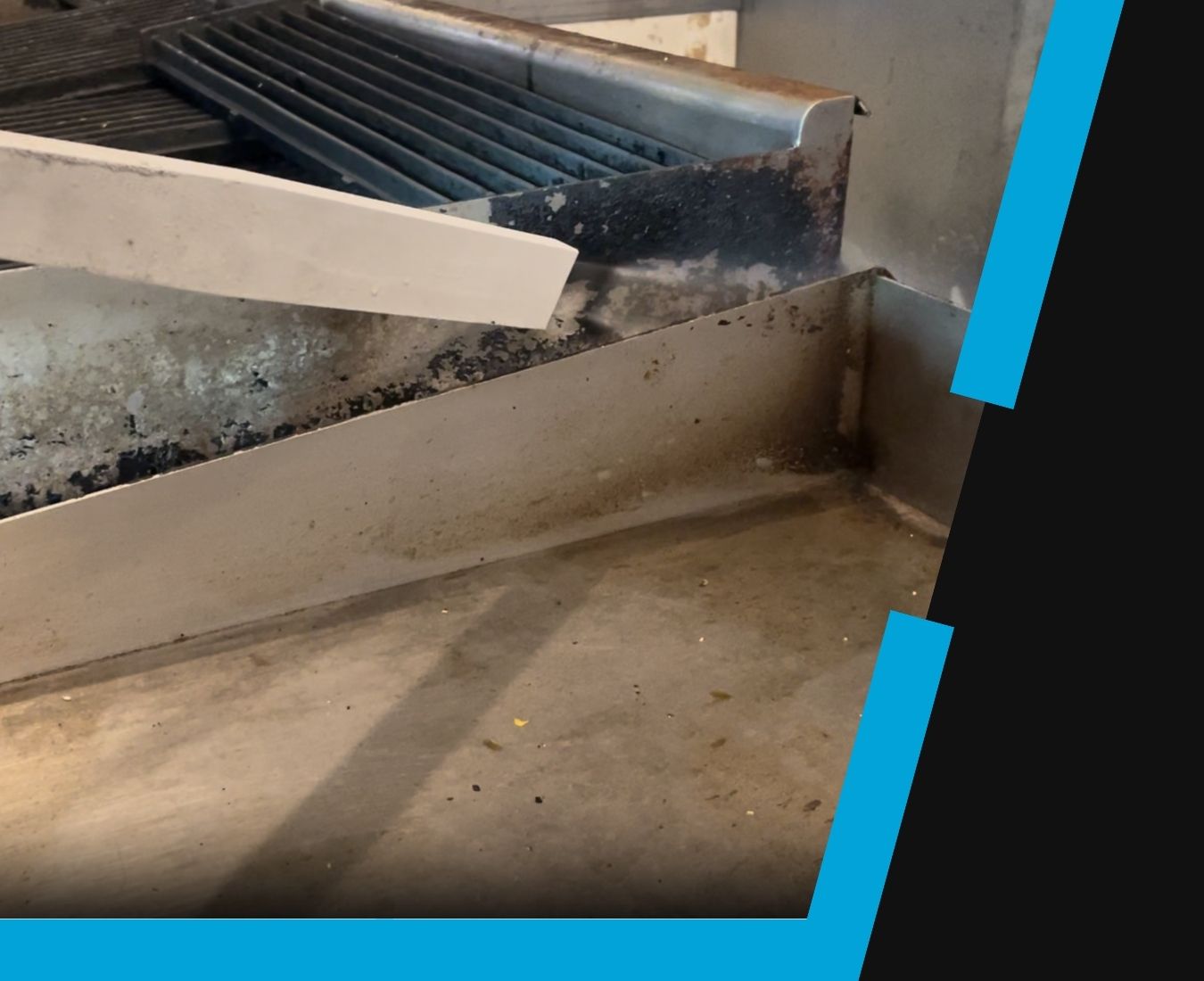
No chemicals, no water, no disassembly. Dry ice cleaning uses frozen CO2 to strip grime, grease, and buildup straight off your equipment while it stays right where it is. Less downtime, no residue, and a deep clean most facility managers don't even know is an option.

A Deep Clean Without The downtime
Dry ice cleaning works by blasting small pellets of frozen CO2 at a surface. The pellets hit hard enough to knock grime loose, then turn straight into gas and disappear, taking the debris with them. No chemicals, no moisture, and no need to take equipment apart first. It's why manufacturers, food processors, and anyone running equipment that can't sit idle for long call us for this service.

Where Dry Ice Blasting Gets Used Most
Any facility where chemicals raise a red flag, or where downtime costs real money, is a good fit for dry ice cleaning.

Food Manufacturing
No chemical residue near production lines means no contamination risk. We clean equipment without shutting the line down.
Industrial & Manufacturing
Machinery, molds, and production equipment get cleaned in place, without a lengthy teardown.
Automotive
Undercoating, paint overspray, and grime come off hard-to-reach parts without damaging the surface underneath.
Municipalities & Facilities
Generators, HVAC components, and other equipment that can't afford long downtime get cleaned fast and put right back to work.
How Dry Ice Cleaning Works
Dry ice cleaning isn't one single action. Three things happen at once to get a surface clean without damaging it.
Kinetic Impact

The dry ice pellets hit the surface with enough force to break the bond holding grime and debris in place, without being abrasive enough to damage what's underneath.
Thermal Shock
The extreme cold of the dry ice creates a sudden temperature change on contact, which helps loosen buildup from the surface.
Sublimation Expansion
As the dry ice hits, it instantly turns to gas and expands underneath the debris, lifting it off the surface so it can be cleared away.
Equipment Cleaning In Place
Because the process needs no water or chemicals, we can clean molds, machinery, and production equipment while it stays fully assembled and in position.
Why Dry Ice Cleaning Instead Of Traditional Methods
Scraping, chemical solvents, and water-based cleaning all come with tradeoffs: damaged surfaces, contamination risk, or equipment sitting idle for hours. Dry ice cleaning skips all three. It's why facilities that can't afford downtime, or can't risk chemical residue near their product, choose it over the traditional approach.
Nonabrasive.
Cleans effectively without scraping, sanding, or damaging the surface underneath.
Chemical-free.
Dry ice is the only ingredient. No solvents, no water, nothing extra to rinse away.
Less downtime.
Equipment doesn't need to be dismantled or moved, so it's back in use faster.
Dry Ice Cleaning Questions We Hear Most
A few of the questions facility managers ask us before getting started.
What exactly is dry ice cleaning?
It's a cleaning method that uses small pellets of frozen CO2 instead of water or chemicals. The pellets knock grime loose on impact, then turn straight into gas, taking the debris with them and leaving nothing behind.
Will it damage our equipment?
No. Dry ice is nonabrasive, so it cleans effectively without scraping or wearing down the surface, unlike sandblasting or harsh chemical methods.
Do we need to shut down or move our equipment first?
Usually not. One of the biggest advantages of dry ice cleaning is that it can be used on equipment right where it sits, without disassembly.
What industries typically use this service?
Food manufacturing, industrial and production facilities, automotive, and any operation where chemical residue or long downtime isn't an option.
How We Get Started
No long sales cycle, just three steps between here and a building that's finally handled.
Tell Us About Your Building
You reach out and share what's going on. We ask a few questions to understand your space and your schedule.
We Walk the Site Together
We visit in person, walk the building, and build a custom scope and quote based on what you actually need.
We Take It Over
Your team starts on the agreed schedule, deep cleaning included, and you get one point of contact from day one.
Related Services

Custodial Services
Bundle dry ice cleaning into your regular custodial contract so it's scheduled automatically.

Total Building Disinfection
Pair equipment cleaning with a full disinfection service for facilities that need both.
Hard Floor Cleaning
Keep the floors around your equipment as well maintained as the machinery itself.